
Data Recovery from a Seagate ST3000DM001 with Platter Scratches
Case Studies
Case Summary
Symptoms and Diagnosis
The drive made abnormal noises and could not be read. After opening it in a controlled environment, we confirmed platter scratches and associated magnetic coating damage.
Turnaround Time
Six days
Recovery Result
Approximately 150 GB of intact files recovered
Recovery Process
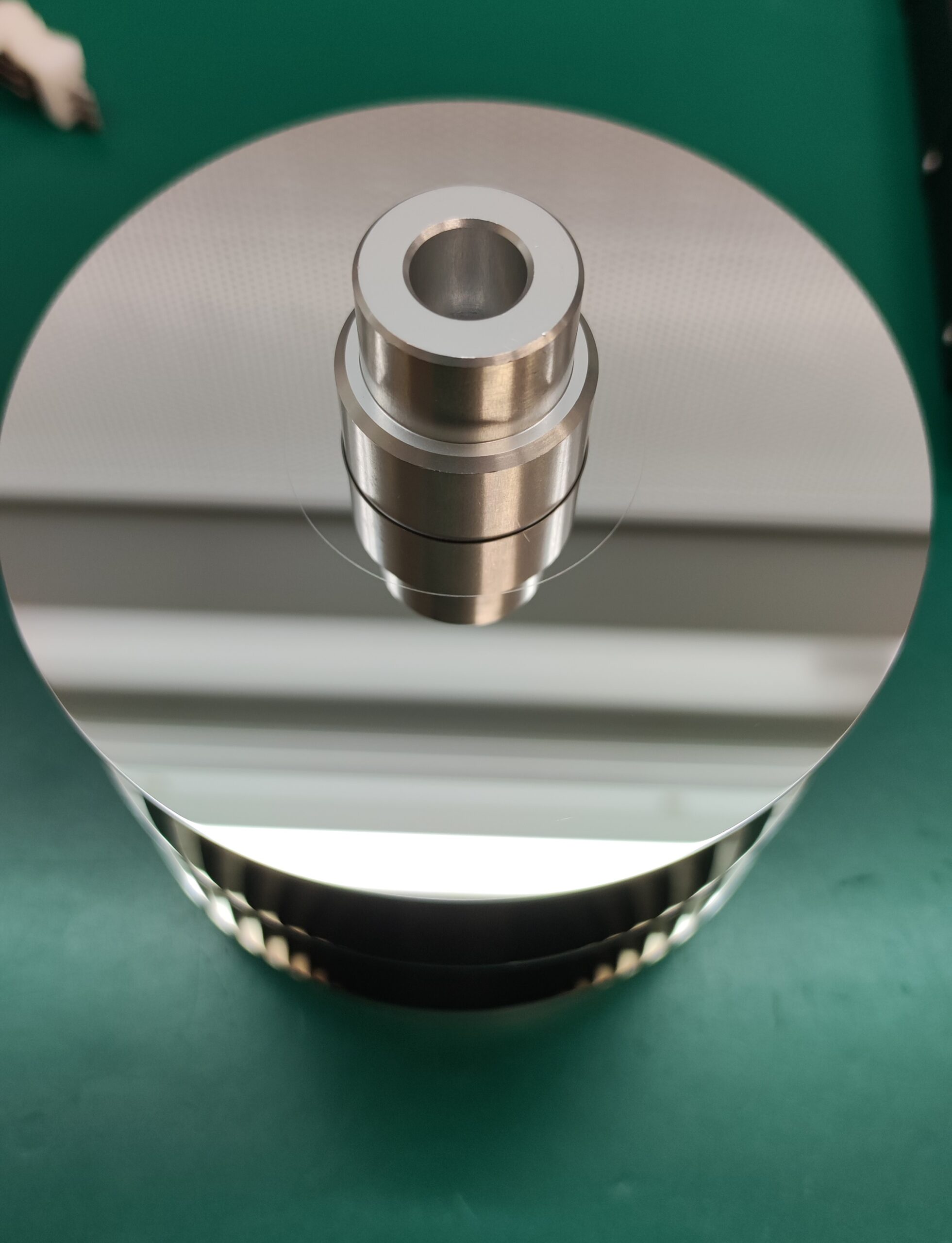
During the initial power-on test, the drive produced the familiar repetitive clicking sound. The ST3000DM001 has an unusually high incidence of platter damage, so we opened the drive to inspect it. As expected, we found a circular scratch like the one shown in the featured image.
In technical terms, this model belongs to Seagate’s Grenada family. We handle many Grenada drives and have extensive experience with scratch-related failures in this family.
At first glance, the scratch appeared to be a relatively narrow line. We initially thought we might be able to read the outer portion of the same surface while keeping the heads away from the damaged area. Closer inspection under directed light revealed a different picture.
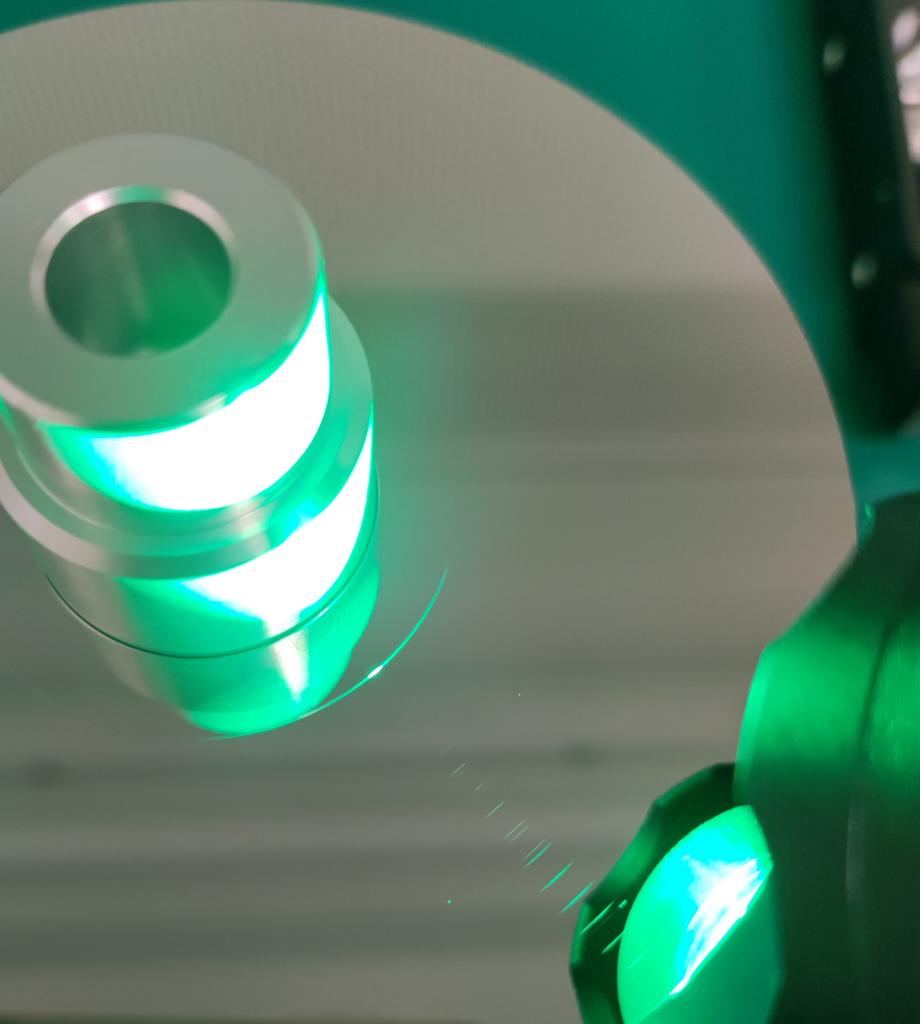
Unfortunately, the damage was not limited to the inner scratch. Fine scratches extended across the entire surface. Because the marks had substantial depth when viewed under the light, we decided not to attempt data extraction from that surface.
The true extent of platter damage can be difficult to convey in a photograph. To the naked eye, the depth and definition of the scratches were unmistakable.
This case presented an additional complication: the location of the damaged surface.
Numbering the recording surfaces from the bottom as S0, S1, S2, and so on—where “S” stands for “surface”—the damaged surface was S1. On this model, the drive’s service area, which stores its firmware, resides on S0 and S1. The damage therefore affected not only user data but also part of the firmware required to initialize the drive.
The service area on S1 is a backup of the one on S0, so the unique firmware data for this particular drive had not been lost entirely. Even so, losing one side of this paired firmware structure can cause a range of firmware-related problems.
This is one of the most difficult aspects of platter-scratch recovery. On Grenada-family drives, bypassing the visibly damaged area itself is not necessarily the hardest part. Cleaning the platters and adjusting the firmware to keep the heads away from a scratch are demanding but largely repeatable procedures.
The firmware failures that become apparent after those measures are applied, however, vary significantly from case to case. The engineer must select the right intervention before the drive deteriorates further. Data extraction can begin only after those firmware issues have been resolved.
Reading a badly damaged surface—or one covered with scattered micro-scratches—also carries the risk of worsening the damage or destroying replacement heads. Those are challenges during imaging. In the preparation stage, however, firmware corruption caused by missing or unreadable areas is often the more difficult obstacle.
Platter damage frequently occurs together with firmware errors or missing firmware data. Unless those problems can be overcome, imaging cannot even begin.
Fortunately, this drive did not develop any major additional problems. We recovered approximately 83% of the data-bearing area. In practical terms, one of the six recording surfaces across the drive’s three platters was lost, while the other five could be read successfully.
The remaining surfaces were in good condition and produced almost no read errors. Initial diagnosis, imaging, analysis, preparation of the recoverable-file list, and delivery were all completed smoothly in six days.
We have handled many Seagate drives of this model, but we also recover scratched HDDs from a wide range of manufacturers and product families. If your drive has suffered platter damage, contact Scratch Lab for an expert assessment.
About the Author

A.N
Certified Information Security Specialist. Began career as a technical officer with the National Police Agency, specializing in digital forensics. Recipient of multiple commendations, including the Director of Information and Communications Bureau Award and the Commandant's Award from the NPA Information and Communications School.
Subsequently joined a major data recovery firm before moving to FIX Inc., where he handles the full recovery workflow — from logical to physical failures — across HDD, SSD, flash memory, and RAID systems. His specialty is severe physical damage to HDDs; he manages nearly 100 scratch damage cases annually, successfully recovering data in the majority of them.